Employee accommodation cultural and social aspects pose a challenge for most modern companies. One that quietly affects the morale, teamwork, and overall productivity of their workforce.
It starts like this: you hire people who come from different cultures and social habits, then place them in the same accommodation and expect everything to work perfectly in sync. Except it rarely does without guidance. One employee cooks late into the night. Another wakes up before sunrise. Some expect privacy. Others thrive on group living. These differences can create friction that slowly influences workplace performance.
The solution for this dilemma is simple. Build supportive living spaces by understanding the employee accommodation cultural and social aspects. When companies like yours treat employee accommodation in Saudi Arabia as a part of the employee experience, not just an obligation, they create stronger teams, smoother workflows, and better well-being across the board.
Why Cultural and Social Factors Matter in Employee Accommodation
Understand how different cultural norms shape daily life. Food habits, privacy expectations, cleanliness routines, and religious practices differ from one nationality to another. When these habits collide in shared accommodation, the result can be misunderstandings that escalate quickly.
These conflicts rarely start big. They usually begin with small concerns that build over time. Major contributing factors include:
- Noise differences
- Cooking smells
- Guests
- Personal space.
But you can easily remove this unnecessary tension from the environment by acknowledging cultural differences in employee accommodation early on.
Social habits also shape how employees interact with one another. Some prefer quiet evenings. Others enjoy group conversations. When a company recognizes these patterns, it can work as an effective employee accommodation guide to provide workers with balanced and respectful living arrangements.
Understanding Cultural Differences in Employee Housing
Employees arrive with distinct lifestyles shaped by their background, age, and job role.
- Communication styles vary
- Food preferences do not always match
- Cleanliness expectations differ
- Even the meaning of personal time changes from culture to culture.
A well planned accommodation setup accounts for these differences so people can live comfortably without feeling pressured to adjust their identity.
Some teams include domestic workers, technicians, corporate professionals, and temporary project staff all under one facility. Their multicultural workforce housing needs are far from identical.
- Domestic staff may prefer homelike spaces
- Corporate workers may need quiet zones for calls
- Mixed nationality dorms may require clearer rules to avoid misunderstandings about shared resources
When you set out to find employee accommodation, pay attention to cultural sensitivity in staff accommodation, as it matters in:
- creating rules
- assigning rooms
- organizing shared spaces in a way that respects everyone
Social Dynamics That Shape the Living Experience
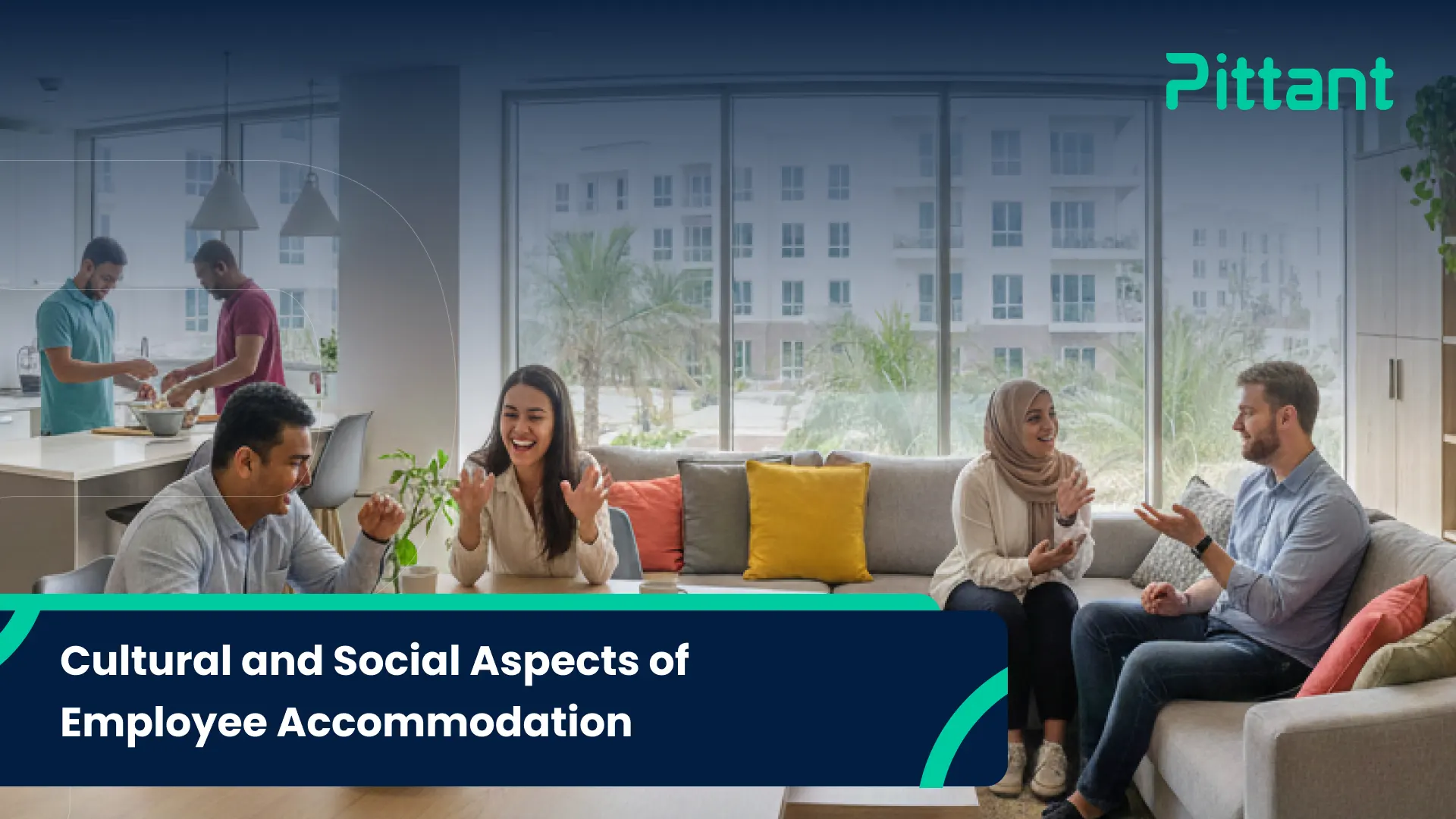
Social integration in employee accommodation is important. Living together forms its own social world. People create bonds, group habits, and comfort zones. Employees show up with better motivation and are more energized when they have a positive living experience.
When done right, these spaces strengthen team spirit outside working hours
- Shared lounges help new hires adjust
- Group meals build trust
- Recreational rooms reduce isolation
Cultural misunderstandings sometimes disrupt this social flow:
- One group may be louder
- Another group may prefer strict privacy
- A new worker may feel excluded simply because they do not share a language
Structured orientation sessions help everyone understand how to live together respectfully.
In regions with diverse workforces, such as Saudi Arabia, many companies rely on guidance from managing employee accommodation in Saudi Arabia to support these social dynamics and prevent avoidable conflict.
Building Inclusive and Respectful Accommodation Environments
A strong accommodation setup begins with inclusive employee housing practices. Consider how employees use the space, how they rest, and how they express their culture.
- Some teams prefer mixed units whereas others request separated sections
- Many appreciate culturally familiar amenities like prayer rooms or gender sensitive layouts
- Clear kitchen etiquette reduces unnecessary friction
- Quiet hours protect rest for workers on night shifts
You can explore layout ideas and comfort enhancing designs by implementing employee housing best practices.These thoughtful choices keep daily life smooth and respectful. Strong guidelines do not restrict people. Instead, they empower them to live without constant tension.
Employee Welfare and Its Connection to Accommodation Quality
Employee welfare and accommodation go hand in hand. A culturally aware housing setup supports mental well being because it gives employees a sense of belonging. When workers feel safe and respected at home, they start each day with better focus.
Quality housing setups also reduce workplace grievances. People complain less when they sleep better, enjoy privacy, and feel socially accepted. These improvements complement your broader HR strategies too. You can help workers grow long term by combining better housing with employee benefits or investing in employee development programs.
Remote Worker Accommodation Challenges
Remote teams or on site project workers face a special set of obstacles. Remote worker accommodation challenges often begin with isolation. Working in a new region without friends or familiar culture can feel overwhelming. Language barriers also make it harder to form connections.
Companies can support these workers with flexible amenities, comfortable communal areas, and digital platforms where residents can connect or share updates. Recreational spaces help workers decompress after long hours. If burnout becomes a concern, employee time off plays a major role in restoring energy and balance.
Employer Provided Housing Guidelines for Multicultural Teams
Employer provided housing guidelines help residents understand how to live respectfully with one another. These guidelines for innovative accommodation solutions do not micromanage. They simply set the tone for shared living:
- Clear coexistence rules help everyone find common ground
- Mediation protocols assist when misunderstandings arise
- Respectful use policies guide how people handle shared kitchens or recreational areas
- A practical food and kitchen system supports cultural variety without chaos
- Privacy and noise standards protect rest time for every worker
Companies operating in the Kingdom may also review Saudi housing law compliance to confirm that their facilities follow local expectations.
Real World Scenarios: How Cultural Misalignment Impacts Housing
These are some real world scenarios where it’s evident how cultural misalignment impacts housing:
- One resident cooks meals with strong spices while others are not used to the smell. Without proper communication, this becomes a daily annoyance.
- Some cultures enjoy late night conversations. Others prefer sleeping early. Without quiet hour guidelines, this difference turns into ongoing conflict.
- Privacy is a major factor. Some employees enjoy frequent visitors. Others see guests as disruptive. Clear rules prevent these small habits from turning into resentment.
When companies pay attention to cultural sensitivity from day one, they avoid these issues altogether. These practices contribute to boosting housing satisfaction across the workforce.
Practical Steps to Improve Cultural and Social Harmony in Employee Housing
Improving harmony does not require complicated processes. It requires intention and consistency.
- Start with pre arrival cultural orientation to prepare workers for shared living
- Use multilingual signage to make rules easy to understand
- Create activity programs that mix cultures naturally
- Maintain anonymous feedback channels so workers feel safe to share concerns
- Train staff to recognize cultural patterns and defuse early tension
These steps connect back to cultural sensitivity and social integration throughout your accommodation plan. They also support smooth transitions during employee onboarding and even help during employee offboarding by maintaining positive relationships. When your team feels supported at home, your employee workflow becomes healthier across the entire operation.
Final Thoughts: Creating Accommodation That Strengthens Workforce Harmony
There’s a lot more to employee housing than just providing your staff with a place to sleep and calling it a day. It is a social environment that shapes morale, teamwork, and loyalty. When you prioritize employee accommodation cultural and social aspects, you support happier teams and stronger performance.
The companies that invest in thoughtful housing policies benefit from better retention and fewer interpersonal issues. If you want lasting harmony, start reviewing your accommodation setup and upgrade it with an inclusion first mindset.
FAQs
Why are cultural differences important in employee accommodation?
Cultural habits shape how people cook, clean, rest, and interact. When companies understand these differences, they reduce conflict and create healthier shared living environments.
How can employers support multicultural housing needs?
Employers can support multicultural housing needs by:
- designing flexible layouts
- setting clear guidelines
- providing culturally appropriate amenities
- encouraging open communication between residents
What policies help improve social integration in employee housing?
Simple rules about noise, visitors, kitchen use, and shared spaces create structure. Community activities also help employees form stronger bonds.
What challenges do remote workers face in employer provided accommodation?
Remote workers may struggle with isolation, language barriers, and limited social support.
How do inclusive housing practices support employee welfare?
Inclusive practices give workers a sense of respect and belonging. This improves mental well being, boosts morale, and supports overall performance.