
Best Practices for Employee Housing Management

Best Practices for Employee Housing Management

Employee housing management has become more challenging. But why is it so? It’s quite obvious that no employer can afford the rising rental costs with tighter regulations. Plus, growing employee expectations mean that unstructured housing programs lead to budget overruns. There is a constant compliance risk and unhappy staff. Lacking clarity in providing accommodation directly affects morale and retention. This is where best practices for employee housing management make a real difference. A well-planned approach controls costs. They can maintain safety and create living environments where employees feel valued.

Define Employee Housing Management:

The structured planning and ongoing management of accommodation provided to employees by an organization is referred to as employee housing management. It supports on-site teams and project-based workers. Beneficial for remote staff and rotational employees who rely on company-arranged housing. So that they can live comfortably and safely while working.

This function focuses specifically on living standards. Employers work on occupancy planning, safety compliance, amenities, budgeting, and resident experience. The facility covers everything from room assignments to maintenance schedules. The grievance handling and housing exits are also a part of it.

Companies move beyond ad-hoc arrangements when they apply best practices for employee housing management. They create systems that protect employees and the business. A strong approach to Employee Accommodation management maintains transparency and long-term sustainability. Keeping employees focused on their work rather than on housing concerns.

Why Companies Need Structured Employee Housing Management Systems?

Employee housing becomes a source of stress if there is no proper structure followed. Companies face unplanned expenses and overcrowded units. The inconsistent living standards and frequent disputes become a routine. Workers feel frustrated when housing feels unfair or poorly maintained. This lowers their morale and productivity.

However, a structured system solves these challenges. When clear processes are in place, it improves safety and reduces conflicts. It greatly helps leadership track costs accurately. Well-managed housing also boosts retention. Project staff and remote teams need this the most as they depend heavily on employer support.

Modern employee housing management strategies align housing decisions with business goals like:

  • Accountability
  • Compliance, and
  • Workforce well-being.

When organizations understand the Aspects of Employee Accommodation, they can plan smarter and respond faster. This way, they can build trust with employees who feel genuinely supported rather than managed.

Core Best Practices for Employee Housing Management:

Best practices for employee housing management should be applied to reap the benefits from it.

Policy-Driven Housing Governance:

Every successful housing program starts with a clear employee housing policy framework. This policy defines:

→ Who qualifies for housing?

→ How allocation works?

→ What documents employees must provide, and

→ Which safety standards apply?

It also establishes clear grievance and escalation processes to prevent issues from lingering unresolved.

A strong policy reduces confusion and protects the company from compliance risks. Aligning policies with local laws, such as Saudi Housing Law Compliance, helps organizations avoid penalties. It safeguards companies from reputational damage while maintaining ethical standards.

Standardized Allocation & Occupancy Controls:

Trust can be built with fair and transparent allocation. Companies should use standardized criteria for room assignments and track occupancy digitally. Conducting regular audits will also help them stay on track. This prevents overcrowding and can maintain resources to match workforce needs.

These controls form a core part of workforce housing best practices. They support planning, budgeting, and fairness. Disputes start to drop, and satisfaction improves when employees understand how and why housing decisions happen.

Safety, Maintenance & Living Condition Assurance:

Safe housing directly impacts employee well-being. Regular inspections and preventive maintenance should never be optional. Reliable utilities must be in place, and emergency preparedness has utmost importance. However, vendors must meet clear service standards. The teams should address issues quickly.

Consistent upkeep helps companies maintain Housing Satisfaction. It reduces health risks and shows employees that their comfort matters.

Resident Experience & Community Well-Being:

Housing should feel supportive, not restrictive. Daily life for residents can be improved by clear orientation sessions, feedback channels, and fast grievance handling. Moreover, introducing housing rules during Employee Onboarding helps new employees settle in smoothly. They can better understand expectations from day one.

Operational Strategies for Efficient Company-Provided Housing:

Company-provided housing management depends on streamlined processes and smart oversight. Centralized tracking systems help teams monitor occupancy and costs. The maintenance can be tracked in real time. Clear reporting allows leadership to spot trends. An ideal way to control spending before issues escalate. Processes when optimized effectively, it improves response times. Housing operations become predictable and easier to scale when teams standardize requests, approvals, and inspections. 

Data-Driven Monitoring & Space Utilization:

Occupancy data helps organizations forecast needs. Utilizing it can avoid underused units. Enabling organizations to plan future housing more accurately. Furthermore, predictive planning supports seasonal projects and workforce expansion without last-minute stress.

Vendor & Service Quality Management:

Companies should make their relationship strong with their vendor, as it matters. Clear SLAs, routine audits, and performance reviews keep service quality high. Linking housing exit processes with Employee offboarding ensures smooth handovers. This reduces damage risks and protects assets.

Designing Practical Housing Solutions for Employees:

Not all employees need the same housing. Beneficial for companies to understand what accommodation should be given to which employee. They must align accommodation types with workforce segments. Categorize them as rotational staff, project teams, or long-term employees. Flexible planning allows organizations to offer effective housing solutions for employees without overspending.

Flexible & Location-Adaptive Models:

Shared housing, modular units, or near-site residences reduce commute times for your employees. When your workers are on time, it will boost their productivity, and they feel less tired. These models adapt easily to changing workforce sizes and project timelines.

Inclusive & Well-Being-Focused Environments:

A good housing is one that respects privacy, accessibility, and lifestyle needs. Therefore, it’s your responsibility as an employer to create Suitable employee accommodation. This improves the mental well-being of your employees. As a result, turnover reduces and strengthens the employer’s reputation.

Compliance, Risk Management & Ethical Standards:

Housing programs must align with labor laws. It must follow proper safety codes and ethical responsibilities. However, to achieve this, regular audits, documented inspections, and clear reporting are essential. This protects both employees and employers. Organizations that follow a Guide to Employee Accommodation can better maintain transparency and fairness. Enabling them to reduce disputes and legal exposure. Ethical housing reflects a company’s values and commitment to its workforce.

Technology & Innovation in Housing Management:

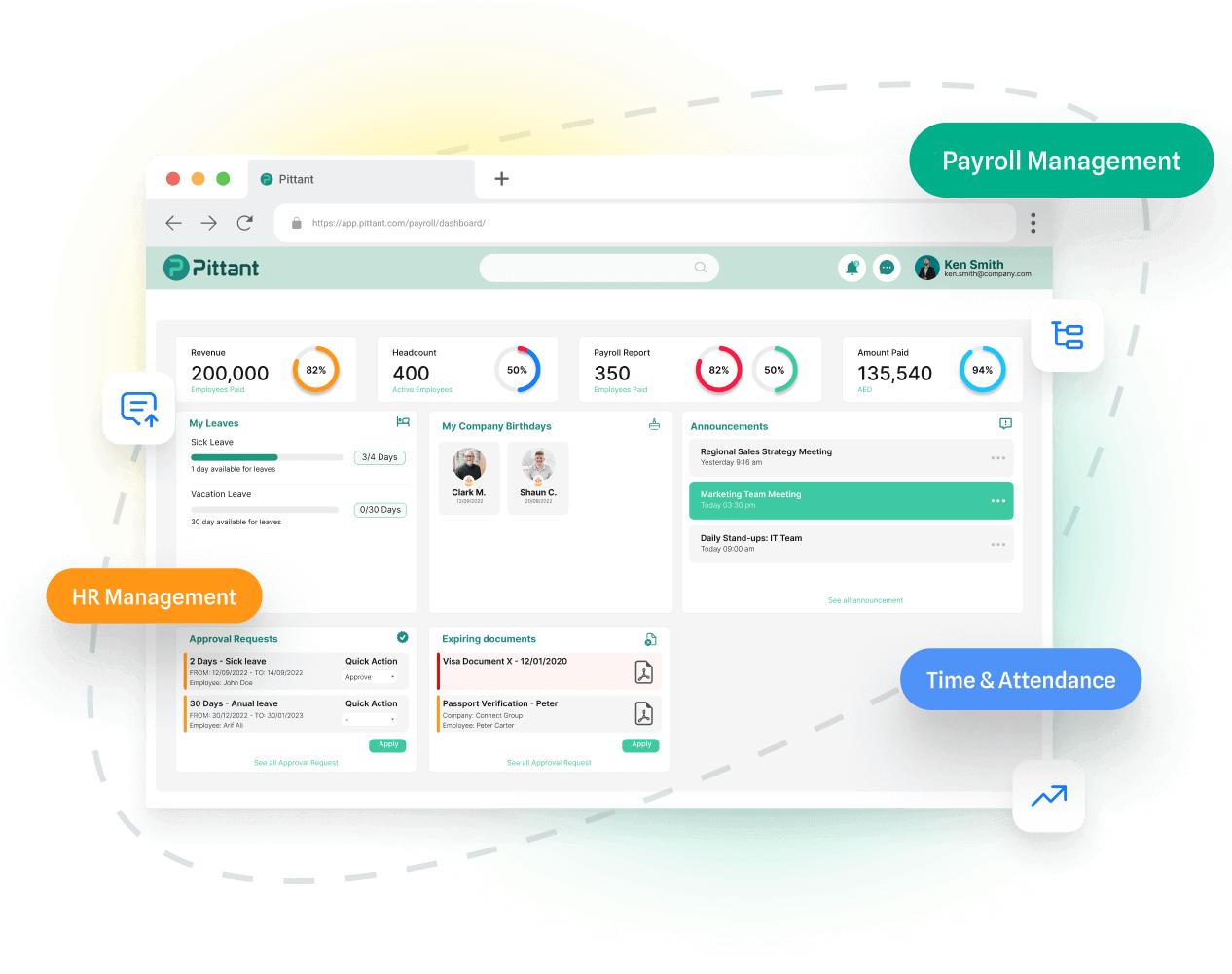
Digital tools now shape modern housing programs. Companies have started using it to make sure everything is in place. Leveraging these tools is the need of the time. Giving companies the chance to track and monitor better. For instance, dashboards track occupancy, maintenance, and costs in one place. Similarly, IoT sensors monitor utilities and safety conditions. On the other hand, automated workflows simplify allocation.

These Innovative Accommodation Solutions help companies respond faster. If used them effectively, you can reduce errors and scale housing operations. Even you don’t need additional administrative burden when you utilize software.

Measuring Success: KPIs & Continuous Improvement

Housing programs work effectively when clear key performance indicators (KPIs) are addressed. Occupancy efficiency, issue resolution time, cost per resident, and satisfaction are the key scores that reveal what works and what needs improvement. When organizations link housing outcomes to retention and Employee development, they treat accommodation as a strategic asset rather than a fixed expense. Employees feel valued and supported throughout when they see their employers are making efforts to improve their well-being.

Final Thoughts:

Companies that follow strong governance, safety, transparency, and smart technology define the best practices for employee housing management. Organizations can build trust and improve productivity when they start investing in structured systems and resident-focused strategies. Achieving it supports long-term growth for companies. Great housing not only shelters employees. But it strengthens communities and fuels organizational success.

Pittant’s help is one step away if you’re looking to apply best practices for your employees’ housing. Get our assistance by contacting us today, and we’ll take your burden off.

FAQs

What is employee housing management, and why is it important?

Worker housing management manages staff accommodation systematically. It improves safety, cost control, employee satisfaction, and workforce stability.

How do housing policies improve staff accommodation management?

Clear housing policies set rules, reduce disputes, and ensure compliance. It creates fair, transparent housing decisions.

What are the key workforce housing best practices companies should follow?

Companies should follow standardized allocation, safety checks, digital tracking, resident feedback, and regular audits. All these assure consistent housing quality.

How can organizations improve staff accommodation experience and satisfaction?

Organizations can improve their staff accommodation experience by focusing on maintenance. Provide them privacy, communication, and quick issue resolution.

What role does technology play in company-provided housing management?

Technology plays an important role by:

  • Automates tracking
  • Improves transparency
  • Reduces errors, and
  • Supports smarter housing decisions.

Ready to Optimize Your HR and Payroll Solutions?

Connect with our experts now and elevate your company’s efficiency!

    Related Posts
    Cultural and Social Aspects of Employee Accommodation - blog featured image
    Employment

    Cultural and Social Aspects of Employee Accommodation

    Employee accommodation cultural and social aspects pose a challenge for most modern companies. One that quietly affects the morale, teamwork, and overall productivity of their workforce. It starts like this:…