Employee performance shapes a company’s growth. Today’s digital shift demands smarter, data-driven ways to measure and improve it. Modern Performance Management Systems replace outdated yearly reviews with real-time feedback, flexible goals, and clear development plans. These AI-powered tools track trends, boost transparency, and keep employees aligned with company objectives.
With continuous check-ins, HR analytics, and engagement features, PMS now drives What is performance management software. Instead of a once-a-year formality, performance management has become an ongoing strategy that supports talent growth and business success while giving leaders actionable insights to stay ahead.
Dive into this guide to explore how modern PMS transforms performance and growth.
Key Trends Shaping Modern Performance Management Systems
A company’s growth is basically the sum of its people’s performance. That’s why we have Performance Management Systems (PMS) – a framework for planning, watching, and reviewing work so we hit our big goals together.
1. Continuous Feedback and Agile Reviews
No chores of once a once-a-year appraisal. Now we’re all about constant check-ins, real-time feedback, and quick adjustments.
What does it give you?
Trust builds when managers and teammates chat regularly.
Kudos happen instantly, not months later.
As you can’t fix issues, morale stays up.
Instead of a yearly event, the learning becomes a habit.
These reviews keep everyone feeling important and valued, and keep performance in step with the ever-changing business landscape.
2. Data-Driven Decision Making with HR Analytics Software
Numbers don’t lie, and HR analytics software is turning those numbers into crystal-clear insights.
Spot high-performers before they’re obvious.
See productivity patterns and catch skill gaps early.
Dashboards show trends at a glance, making promotions, training, and succession planning feel fair and objective.
When analytics sit inside your PMS, individual growth lines up with the company’s bigger strategy.
3. AI, Automation, and Smart Performance Tools
Think of AI as the helpful assistant that never sleeps:
- Tracks goal progress automatically.
- Drops real-time feedback right when you need it.
- It gives personal paths based on your preferences.
4. Employee Performance Tracking for Measurable Growth
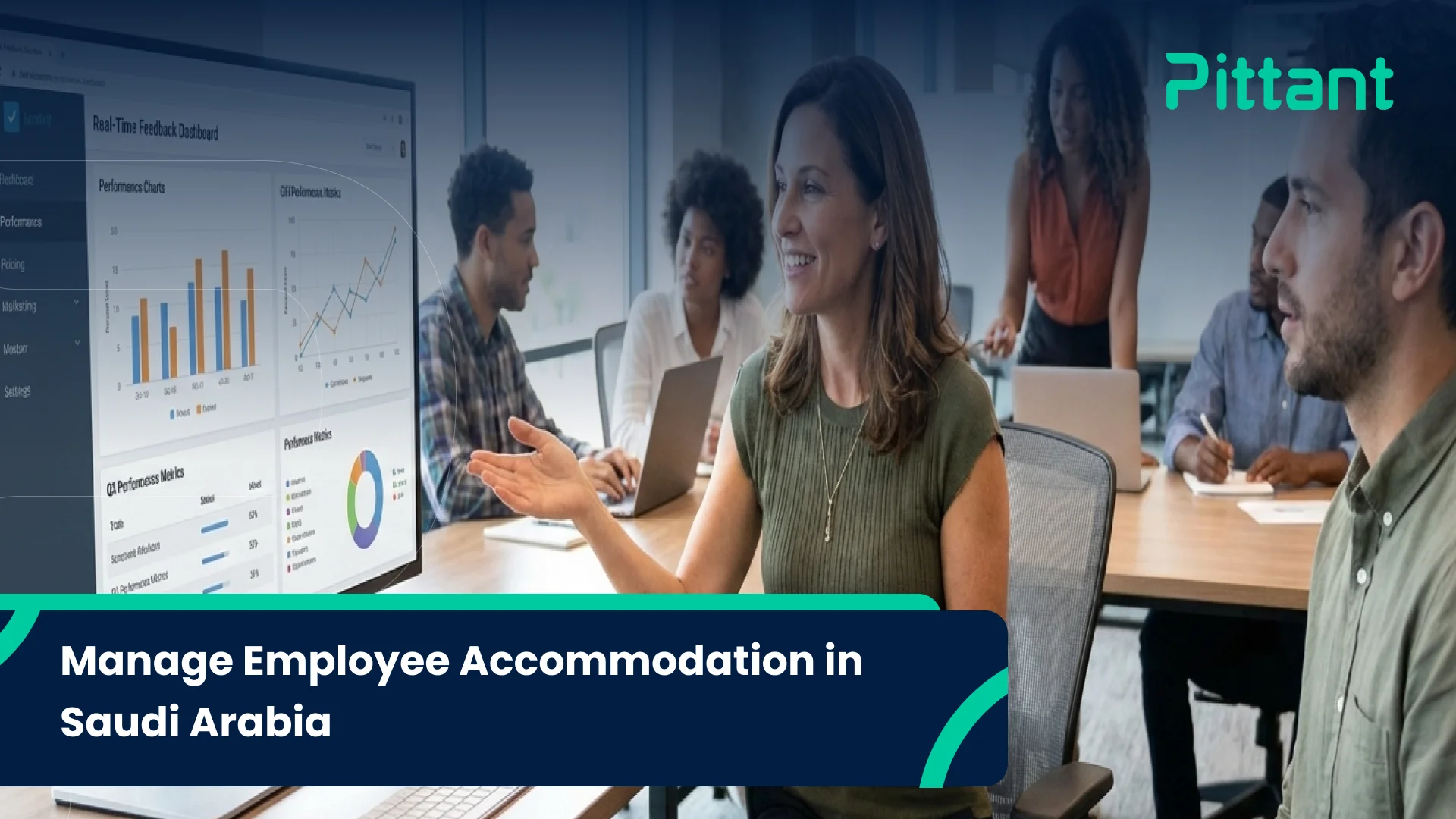
Clear dashboards, KPIs, and trend lines give both employees and managers a snapshot of what’s happening.
For employees
- Know exactly what’s expected.
- See measurable wins that boost motivation.
- Get transparent, actionable feedback.
For managers
- Spot team progress (or stalls) instantly.
- Figure out skill gaps before they cause any problems.
- Make good data-driven decisions.
Tracking in real time keeps everyone together and lets managers give support before issues occur.
The Link Between Performance Management and Talent Development
By matching personal ability with company needs, performance management directly drives talent management trends. Efficient systems let staff members see how their efforts advance general objectives.
Structured growth paths, mentoring programs, and upskilling efforts guarantee staff members have possibilities for development while helping the company to achieve goals. Companies encourage a culture of ongoing development and high participation by combining PMS with learning and development. Find more information on our employee performance appraisal.
Methods for Employee Development for a Workforce Ready for Tomorrow
Modern performance management helps in ensuring employee growth. Organisations are now using data-driven insights to create learning paths based on customer preferences.
Learning programs that customers can personalise and training that can be customised are based on performance and skill gaps and are part of effective employee development approaches.
Create competency mapping. Find and close skill gaps for career development. Growth plan. Using performance data, establish explicit, quantifiable growth objectives.
Continuous learning programs ready the labour for future difficulties by enhancing retention, motivation, and job satisfaction. Performance management depends critically on these techniques.
Implementing the Right Performance Management System
When selecting or upgrading a PMS, organisations must align it with company culture, existing HR tools, and scalability requirements. Implementation best practices:
Pilot Testing: Introduce the system to small teams first
User Training: Educate managers and employees on features and usage
Regular Evaluation: Monitor effectiveness and gather feedback for improvements
A carefully implemented PMS drives engagement, clarity, and measurable performance outcomes. For guidance, refer to implementing a performance management system.
Best Practices for Modern Performance Management Systems
Actionable best practices make PMS systems effective, reliable, and growth-oriented.
Key practices include:
- Setting SMART Goals
- Goals should be Specific, Measurable, Achievable, Relevant, and Time-bound.
- Using Data Insights for Unbiased Decisions
- Minimise subjectivity through analytics: Promoting Transparent Communication
- Encourage open dialogue between employees and managers.
- Linking Recognition with Outcomes
- Reward employees for measurable achievements
These practices ensure the performance management process align with Best practices for Performance management systems.
Choosing the Right Performance Management Software
The right software enhances efficiency, engagement, and data-driven performance management. When choosing a PMS tool, consider:
Usability: The interface should be as simple as scrolling through your phone. If managers and employees have to wrestle with it, you’ll lose adoption fast.
- Analytics capability: Real-time dashboards and predictive insights are the “nice-to-have” that become “must-have” when you want to spot trends before they become problems.
- Integration: It should play nicely with your existing HRIS, payroll, and learning systems—no more juggling spreadsheets.
Scalability: Pick a tool that grows with you, so you don’t have to go shopping again when the team expands. - Mini case: A fast-growing marketing agency tried an AI-powered PMS. In six months, engagement jumped 25% and evaluation turnaround shrank 40%. Proof that the right software can streamline tracking and fuel growth.
The Future of Performance Management
Performance management offers more personalisation, predictive insights, and complete employee experiences going forward. Next-generation PMS will be defined by AI-driven learning paths, advanced analytics, and adaptive goal setting.
By remaining ahead of developing talent management trends and guaranteeing a continuous growth culture, companies that guarantee flexible, employee-centric systems today will get an edge.
Final Thoughts: Building a Culture of Continuous Growth
These days, performance management is a means for daily employee empowerment. By embracing the present trends in performance management systems, therefore, companies may generate engagement, productivity, and innovation.
When performance management matches the company objectives, it becomes a strategic force that drives performance and helps to create a successful workforce by means of empowerment via assessment.
FAQs
1. What current performance management system trends are most recent?
Continuous input, AI-driven insights, agile assessments, and real-time employee performance monitoring help to define the contemporary PMS.
2. Nowadays, which employee development approaches are most effective?
Personalised learning programs, competence mappings, mentoring initiatives, and growth-oriented development plans help to inspire employees and enable them to perform effectively.
3. How is performance management enhanced with human resources analytics software?
Data-driven insights from human resources analytics software illuminate skill gaps, forecast employee potential, and advance justice and openness.
4. How could businesses monitor employee performance?
Dashboards, KPIs, and employee performance monitoring solutions will basically let the organisation monitor progress, spot early alerts, and orient employees towards corporate objectives.
5. Why is ongoing input replacing yearly evaluations?
Constant input leads to better employee-manager relationships, real-time enhancement, and prompt appreciation.